the ranch parents guide
The Ranch Parents Guide: Raising Kids in a Rural Setting
Navigating ranch life with children demands understanding unique challenges and fostering resilience; it’s about blending practicality, safety, and strong family connections;
Understanding the Ranch Lifestyle & Its Impact on Children
The ranch lifestyle profoundly shapes children, instilling a strong work ethic and deep connection to nature. Daily life centers around responsibility – from animal care to land maintenance – fostering independence and problem-solving skills from a young age. This environment cultivates resilience, as ranch kids learn to adapt to unpredictable weather, challenging tasks, and the cyclical nature of ranching.
However, this lifestyle also presents unique considerations. Geographic isolation can limit social opportunities, necessitating proactive efforts to maintain connections. The inherent dangers of ranch work – involving machinery, livestock, and the outdoors – demand comprehensive safety training. Balancing ranch demands with educational needs requires careful planning, potentially exploring homeschooling or creative solutions for traditional schooling. Ultimately, understanding these impacts allows parents to nurture well-rounded children thriving in a rural setting.
The Unique Challenges of Ranch Parenting
Ranch parenting differs significantly from suburban or urban models, presenting distinct hurdles. Safety is paramount; constant vigilance is needed to mitigate risks associated with livestock, equipment, and remote locations. Balancing work demands with dedicated family time proves difficult, requiring intentional scheduling and shared responsibilities. Access to resources – healthcare, specialized education, and extracurricular activities – can be limited by distance.
Furthermore, maintaining a child’s social life requires effort, combating potential isolation through organized activities or virtual connections. The cyclical nature of ranch work brings periods of intense activity followed by slower seasons, impacting family routines. Parents must also navigate the emotional toll of ranching – financial uncertainties, weather-related losses, and the inherent stresses of agricultural life – while providing a stable and supportive environment for their children.

Parenting Styles & Their Effectiveness on the Ranch
Exploring authoritarian, permissive, authoritative, and neglectful approaches reveals how each impacts ranch children, shaping their responsibility, independence, and overall well-being.
Authoritarian Parenting: Pros & Cons for Ranch Kids
Authoritarian parenting, characterized by high demands and low responsiveness, presents a complex dynamic on the ranch. While strict rules and expectations can instill discipline and respect for authority – crucial for safety around livestock and machinery – they may stifle a child’s independence and problem-solving skills.
On the ranch, immediate obedience is often vital, potentially making this style seem initially effective. However, consistently suppressing a child’s input can hinder their development of self-reliance, a key trait for ranch life. Furthermore, a lack of warmth and open communication might damage the parent-child bond, leading to resentment or fear.
Ranch kids raised with this approach may excel at following instructions but struggle with initiative or creative thinking. Balancing the need for control with fostering a child’s confidence is a significant challenge for authoritarian parents in a rural setting. It’s essential to consider the long-term effects on a child’s emotional and social development.
Permissive Parenting: Is it Suitable for a Ranch Environment?
Permissive parenting, marked by warmth, acceptance, and few rules, presents significant challenges within the demanding context of a ranch. While fostering a close, friendly relationship with children is valuable, a lack of boundaries can be detrimental to their safety and development. Ranch life inherently involves risks – from handling animals to operating equipment – requiring clear expectations and consistent discipline.
Permissive parents, often prioritizing being a “friend” to their child, may struggle to enforce necessary safety protocols. This can lead to reckless behavior and a disregard for potential consequences. While encouraging independence is important, it must be balanced with responsible decision-making, which requires guidance and limits.
On the ranch, a child needs to understand the importance of respecting livestock, following instructions, and prioritizing safety. A purely permissive approach may fail to instill these crucial values, potentially jeopardizing both the child’s well-being and the smooth operation of the ranch. It’s a style that generally lacks the structure needed for success in this environment.
Authoritative Parenting: The Recommended Approach
Authoritative parenting, blending warmth, clear expectations, and open communication, emerges as the most effective style for raising children on a ranch. This approach fosters both independence and responsibility, crucial traits for navigating the unique demands of rural life. These parents are nurturing and supportive, yet consistently enforce boundaries and hold children accountable for their actions.
Within a ranch setting, authoritative parents explain the why behind rules, particularly those related to safety around animals and equipment. They encourage questions, listen to concerns, and involve children in age-appropriate decision-making. This builds trust and promotes a sense of ownership.
This style doesn’t stifle individuality; instead, it provides a secure framework within which children can explore, learn, and develop self-reliance. By balancing warmth with firm guidance, authoritative parenting equips ranch kids with the skills and values needed to thrive – both on the ranch and beyond, fostering confident, capable individuals.
Neglectful/Uninvolved Parenting: Risks & Consequences
Neglectful or uninvolved parenting, characterized by a lack of responsiveness, guidance, and emotional support, poses significant risks for children growing up on a ranch. This style often manifests as minimal involvement in a child’s life, failing to provide adequate supervision or meet their basic needs – both emotional and physical.
On a ranch, where inherent dangers exist with animals, machinery, and the environment, this lack of oversight can have devastating consequences. Children may be exposed to unnecessary risks, hindering their development of crucial safety skills and responsible decision-making.
Furthermore, emotional neglect can lead to feelings of insecurity, low self-esteem, and difficulty forming healthy attachments. Ranch kids require consistent guidance and a strong family connection to navigate the challenges of rural life; uninvolved parenting deprives them of this essential foundation, potentially leading to behavioral problems and long-term emotional distress;
Sub-Types of Authoritative Parenting: Finding Your Fit
While authoritative parenting is widely recommended, it isn’t a rigid mold. Ranch parents can adapt this style to suit their family’s unique dynamics and the demands of rural life. One variation emphasizes collaborative problem-solving, involving children in ranch decisions appropriate for their age, fostering responsibility and critical thinking.
Another subtype focuses on “firm but fair” discipline, consistently enforcing boundaries while explaining the reasoning behind them – crucial when safety is paramount on a ranch. This approach builds respect and understanding, rather than relying on strict control.

A third leans towards nurturing independence, encouraging children to take initiative and learn from their mistakes within safe parameters. This fosters self-reliance, a valuable trait for ranch life. Ultimately, finding your fit involves blending warmth, clear expectations, and a willingness to adapt, creating a supportive environment where ranch kids can thrive.

Essential Skills for Ranch Kids
Ranch children benefit from mastering responsibility, animal care, problem-solving, and safety protocols; these skills build confidence and self-reliance in a rural environment.
Responsibility & Chores: Age-Appropriate Tasks
Instilling responsibility through chores is fundamental on a ranch, fostering a strong work ethic in children. Begin with simple tasks for younger kids – gathering eggs, filling water troughs, or collecting kindling. As they mature, increase complexity, introducing fence checks, assisting with livestock feeding, or helping with garden maintenance.
Age-appropriateness is key; avoid overwhelming children with tasks beyond their capabilities. A five-year-old can gather small items, while a ten-year-old might manage basic animal care under supervision. Teenagers can take on significant responsibilities like operating machinery (with proper training) or managing specific projects.
Clearly define expectations and provide guidance, emphasizing the importance of each chore to the ranch’s overall operation. This not only teaches responsibility but also demonstrates the value of teamwork and contribution to a shared goal, building confidence and a sense of belonging.
Animal Care: Fostering Compassion & Respect
Ranch life provides a unique opportunity to cultivate compassion and respect for animals in children. Involving them in animal care – feeding, grooming, observing behavior – instills a sense of responsibility and empathy. Start with gentle interactions, like hand-feeding smaller animals or assisting with basic grooming tasks.
Emphasize the animals’ needs, explaining that they rely on consistent care for their well-being. Teach children to recognize signs of illness or distress and to approach animals calmly and respectfully. Supervise closely, ensuring safe interactions and preventing rough handling.
Discuss the cycle of life on the ranch, including birth, growth, and eventual passing, in an age-appropriate manner. This fosters understanding and acceptance of natural processes, promoting a deeper connection with the animals and the land.
Problem-Solving & Independence: Encouraging Self-Reliance
The ranch environment naturally lends itself to fostering problem-solving skills and independence in children. From fixing a fence to figuring out why an animal isn’t eating, daily life presents opportunities for practical challenges. Encourage children to attempt solutions themselves before offering assistance, guiding them with questions rather than direct answers.
Assign age-appropriate tasks that require critical thinking, like planning a small garden or organizing tools. Allow them to experience the consequences of their actions – both positive and negative – as learning opportunities. Celebrate their efforts and resilience, even when things don’t go as planned;
Promote self-reliance by gradually increasing their responsibilities and allowing them to make independent decisions within safe boundaries. This builds confidence and prepares them for navigating challenges beyond the ranch.
Safety Training: Ranch Hazards & Prevention
Ranches present unique hazards requiring comprehensive safety training for children. Begin with basic awareness of potential dangers: livestock behavior, machinery operation, barbed wire, and water sources. Age-appropriate instruction is crucial; younger children need constant supervision and simple rules, while older children can learn more complex safety protocols.
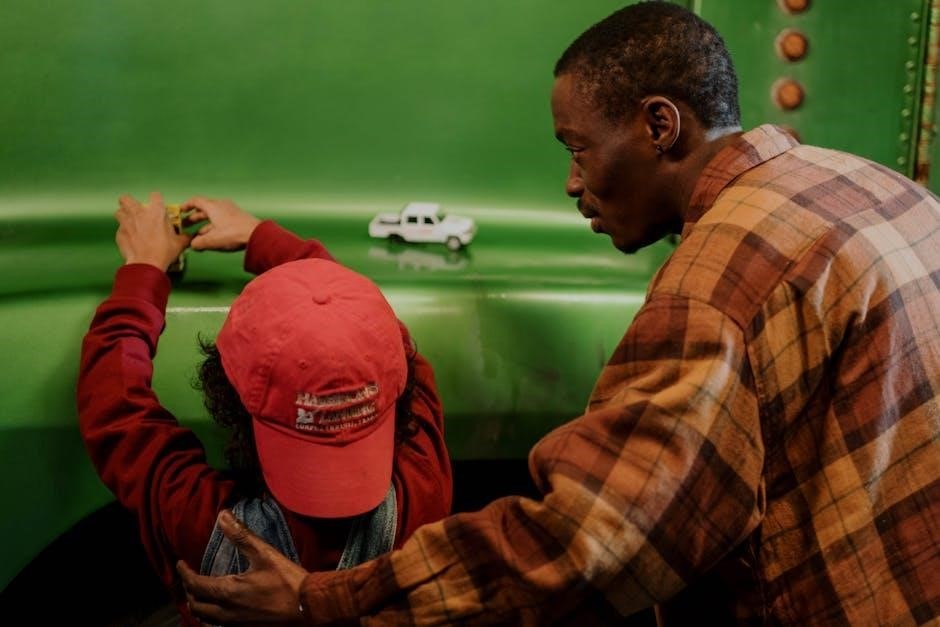
Regularly discuss safe handling of tools, proper use of ATVs (if applicable), and emergency procedures. First aid training for both parents and older children is invaluable. Establish clear boundaries and “off-limits” areas. Conduct regular safety checks of equipment and facilities.
Emphasize the importance of reporting hazards and seeking help when needed. Create a culture of safety where children feel comfortable voicing concerns without fear of reprimand. Prevention is key to minimizing risks and ensuring a safe ranch environment.

Building a Strong Family Bond on the Ranch
Shared experiences, like ranch projects and meals, cultivate connection; open communication and traditions are vital for a resilient, supportive family dynamic.
Family Meals & Traditions: Creating Connection
Regular family meals are cornerstones of ranch life, offering dedicated time for connection amidst busy schedules. These aren’t just about nourishment; they’re opportunities to share stories, discuss the day’s challenges and triumphs, and reinforce family values. Establishing consistent mealtime routines provides a sense of stability and predictability for children, crucial in the often unpredictable ranch environment.

Beyond meals, traditions – whether it’s branding season rituals, annual haying celebrations, or simply a weekly game night – build a shared history and strengthen bonds. These traditions create lasting memories and a sense of belonging. Involve children in planning and executing these traditions, fostering their sense of ownership and contribution. Consider incorporating ranch-specific traditions that celebrate the unique lifestyle, like storytelling around a campfire or a special blessing for the animals. These moments become cherished parts of their upbringing, solidifying their connection to the ranch and to each other.
Working Together: Ranch Projects as Family Time
Ranch life inherently offers opportunities for collaborative projects, transforming work into quality family time. Involving children in age-appropriate tasks – from mending fences and building shelters to gardening and assisting with animal care – instills a sense of responsibility and shared accomplishment. These projects aren’t simply about getting things done; they’re about teaching valuable skills, fostering teamwork, and creating lasting memories.
Choose projects that cater to different skill levels, ensuring everyone can contribute meaningfully. A younger child might gather eggs or help sort laundry, while older children can assist with more complex tasks under supervision. Frame these activities as opportunities to learn and grow together, emphasizing the importance of each person’s contribution. Celebrate successes, big or small, and use challenges as learning experiences. This approach transforms ranch work from a chore into a bonding experience, strengthening family ties and instilling a strong work ethic.

Communication & Conflict Resolution: Open Dialogue
The vastness of ranch life, while beautiful, can sometimes lead to feelings of isolation or frustration. Establishing open communication channels within the family is paramount. Create a safe space where children feel comfortable expressing their thoughts and concerns without fear of judgment. Regular family meetings, even brief ones, can facilitate this dialogue, allowing everyone to share their experiences and address any issues that arise.
Conflict is inevitable, but how it’s handled shapes family dynamics. Teach children constructive conflict resolution skills – active listening, empathy, and compromise. Encourage them to articulate their feelings respectfully and to seek solutions collaboratively. Model healthy communication yourself, demonstrating how to navigate disagreements calmly and rationally. Remember, the goal isn’t to avoid conflict altogether, but to equip your children with the tools to manage it effectively, fostering a resilient and supportive family environment.

Navigating Education & Socialization
Ranch families often face unique educational choices, balancing homeschooling, traditional schooling, and limited extracurriculars while prioritizing social connections for their children.
Homeschooling vs. Traditional School: Weighing Options
For ranch families, the decision between homeschooling and traditional schooling is complex. Ranch life often presents logistical hurdles – distance to schools, time commitments for ranch work – making homeschooling appealing. It allows for a customized curriculum reflecting the ranch lifestyle, integrating practical skills alongside academics.
However, traditional schools offer vital socialization opportunities, diverse perspectives, and specialized resources that can be harder to replicate at home; Consider your child’s learning style, your capacity to provide consistent instruction, and the availability of support networks. A hybrid approach, combining homeschooling with occasional enrollment in specific classes or extracurriculars, might offer the best of both worlds.
Evaluate the potential for isolation with homeschooling and actively seek opportunities for your child to connect with peers through 4-H, sports, or community groups. Thoroughly research local homeschooling regulations and resources before making a final decision, ensuring a well-rounded educational experience.
Extracurricular Activities: Finding Opportunities
Ranch kids often thrive with activities that complement their rural upbringing. 4-H is a natural fit, offering projects in livestock, agriculture, and leadership development. Local rodeos, horse clubs, and livestock shows provide opportunities to hone skills and build community.
However, expanding horizons beyond ranch-centric activities is crucial. Explore sports teams, art classes, music lessons, or scouting groups, even if it requires travel. Online courses and virtual clubs can bridge gaps in access to specialized programs. Consider the child’s interests and talents, fostering passions that extend beyond the ranch.
These activities promote socialization, teamwork, and personal growth. They also offer a break from ranch routines, preventing burnout and fostering a well-rounded development. Prioritize activities that align with family values and schedules, ensuring a sustainable balance.
Maintaining Social Connections: Combating Isolation
Ranch life, while rewarding, can present challenges to socialization. Geographic isolation and limited peer interaction require proactive efforts to maintain connections. Regular playdates with neighboring children, even if infrequent, are valuable. Encourage participation in community events, fairs, and local gatherings.
Leverage technology to bridge distances. Video calls with relatives and friends provide vital social interaction. Online groups and forums centered around shared interests can foster connections with like-minded peers. Consider co-ops or shared activities with other ranch families to create a support network;
Prioritize family outings to towns or cities for broader social exposure. Remember that consistent effort is key to combating isolation and ensuring your child develops strong social skills.
Health & Wellness for Ranch Families
Prioritizing physical activity, mental wellbeing, and ranch-specific first aid is crucial; proactive health management ensures a thriving, resilient family in a rural setting.
Physical Activity & Outdoor Recreation
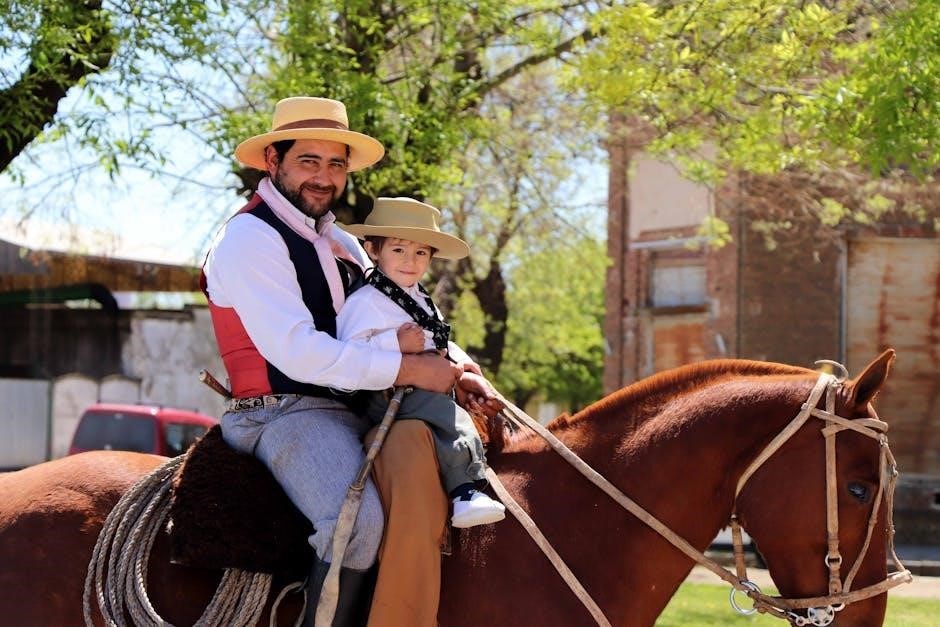
Ranch life inherently promotes physical activity, offering a natural antidote to sedentary habits. Children thrive with constant opportunities for movement – from assisting with chores like fencing and animal care, to exploring the expansive landscapes. Encourage horseback riding, hiking, and simply playing outdoors, fostering a lifelong love for an active lifestyle.
Beyond chores, structured recreational activities can further enhance physical wellbeing. Consider establishing a family garden, organizing outdoor games, or even creating a simple obstacle course. These activities not only build strength and endurance but also provide valuable bonding experiences. Remember to tailor activities to age and ability, ensuring safety is always paramount.
Embrace the seasons; winter offers opportunities for snowshoeing or building snow forts, while summer beckons for swimming and exploring. Prioritizing outdoor time isn’t just about physical health; it’s about connecting with nature, reducing stress, and cultivating a sense of freedom and joy.
Mental Health Resources: Addressing Stress & Isolation
Ranch life, while rewarding, can present unique mental health challenges for both parents and children. Geographic isolation, economic pressures, and the demanding nature of ranch work can contribute to stress, anxiety, and feelings of loneliness. Recognizing these potential issues is the first crucial step.
Proactive support is essential. Regularly check in with family members, fostering open communication about feelings and concerns. Utilize telehealth services for convenient access to therapists and counselors, overcoming distance barriers. Explore online support groups specifically tailored to rural families, providing a sense of community and shared experience.
Prioritize self-care; parents modeling healthy coping mechanisms are vital. Encourage hobbies, mindfulness practices, and regular social interaction, even if it requires intentional effort. Be aware of warning signs – changes in mood, sleep patterns, or appetite – and seek professional help when needed. Remember, seeking support is a sign of strength, not weakness.
First Aid & Emergency Preparedness: Ranch-Specific Concerns
Ranch environments introduce unique first aid and emergency preparedness needs. Beyond standard kits, include supplies for animal-related injuries (bites, kicks), agricultural chemical exposure, and remote trauma. Comprehensive training in CPR, wound care, and splinting is paramount for all family members, given potential delays in emergency services.
Develop a detailed emergency plan addressing scenarios like livestock escapes, wildfires, and severe weather. Ensure reliable communication methods – satellite phones or two-way radios – are available when cell service is limited. Clearly mark ranch access points for emergency responders and maintain updated maps detailing property layout and potential hazards.
Regularly inspect equipment for safety, and establish protocols for handling machinery and livestock. Knowing basic veterinary first aid can also be crucial. Practice emergency drills to reinforce preparedness and ensure everyone understands their roles. Proactive planning minimizes risks and maximizes response effectiveness.