rubber stopper size guide
Navigating the world of rubber stoppers requires understanding their sizing, crucial for secure seals in laboratory and industrial applications․
Twitch, a popular platform, doesn’t directly relate, but highlights the importance of finding the right fit for optimal performance․
What are Rubber Stoppers?
Rubber stoppers are versatile, cylindrical closures used to seal containers like flasks, bottles, and test tubes․ They prevent leakage, contamination, and maintain pressure within the vessel․ Commonly made from natural rubber, silicone, or neoprene, they offer flexibility and a tight fit․
These stoppers come in various sizes, designated by a numbering system (#0 to #9, and beyond), corresponding to their diameter․ Some are solid, while others are pre-drilled with holes for inserting tubing or thermometers․ Twitch, a live streaming service, doesn’t relate to stoppers, but emphasizes the need for precise specifications․ Proper selection ensures a secure seal, vital for experiments and storage, preventing unwanted reactions or loss of contents․
Why Proper Sizing Matters
Accurate sizing of rubber stoppers is paramount for maintaining experimental integrity and safety․ A stopper that’s too small will not create a sufficient seal, leading to leaks or contamination – potentially ruining results․ Conversely, an overly large stopper can be difficult to insert and may crack the glassware during insertion or use․
A secure fit ensures consistent pressure, crucial for reactions sensitive to atmospheric conditions․ While platforms like Twitch focus on live streaming, the principle of a precise connection applies here too․ Incorrect sizing compromises the experiment, potentially causing inaccurate data or hazardous situations․ Choosing the correct size guarantees a reliable closure, protecting both the contents and the user․
Understanding Stopper Dimensions
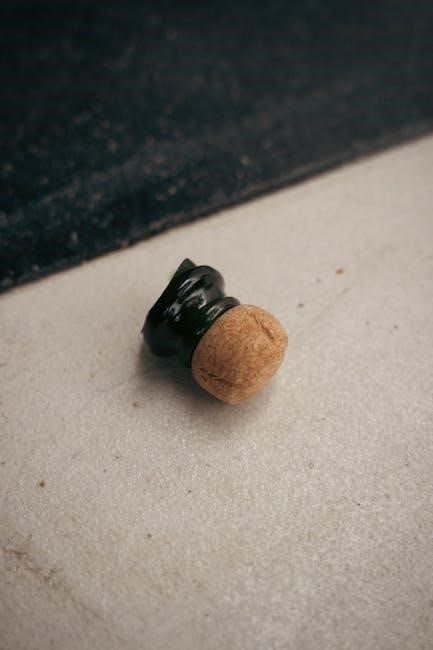
Key dimensions include stopper diameter, the bottle/flask opening diameter, and stopper length/thickness․ These measurements dictate compatibility and a proper, airtight seal․
Stopper Diameter
Stopper diameter refers to the widest point of the rubber stopper itself, typically measured in millimeters or inches․ This dimension is critical for ensuring a secure fit within the opening of the flask, bottle, or tube it’s intended to seal․ A precise diameter prevents leakage and maintains the integrity of the contained substance․
It’s important to note that stopper diameters are often designated by a numbering system (e․g․, #0, #1, #2), rather than a specific measurement․ These numbers correspond to standardized diameters, simplifying selection․ However, slight variations can occur between manufacturers, so referencing a size chart is always recommended․ Accurate measurement is paramount for successful sealing, avoiding issues like a stopper being too tight or too loose․
Hole Diameter (for the Bottle/Flask)
The hole diameter of the bottle or flask opening is equally crucial as the stopper diameter․ This measurement dictates the maximum stopper size that can be accommodated․ It’s essential to measure the internal diameter of the opening accurately, as this is the space the stopper needs to fit into․ Using calipers provides the most precise reading, minimizing errors․
Remember that glassblowing variations can cause slight inconsistencies in bottle/flask opening sizes․ Therefore, accounting for a small tolerance is advisable when selecting a stopper․ A slightly smaller stopper is preferable to one that’s too large, as forcing a larger stopper can damage the glass or the stopper itself․
Stopper Length/Thickness
Stopper length, or thickness, is a frequently overlooked dimension, yet it’s vital for a secure and effective seal․ A sufficient length ensures adequate contact between the stopper and the bottle/flask opening, preventing leaks․ Thicker stoppers generally provide a better seal, especially when dealing with pressure differences or aggressive chemicals․
However, excessively thick stoppers might be difficult to insert or remove․ The ideal length depends on the application and the material of both the stopper and the container․ Consider the depth of the opening and the required level of containment when choosing the appropriate stopper thickness․
Standard Rubber Stopper Sizes
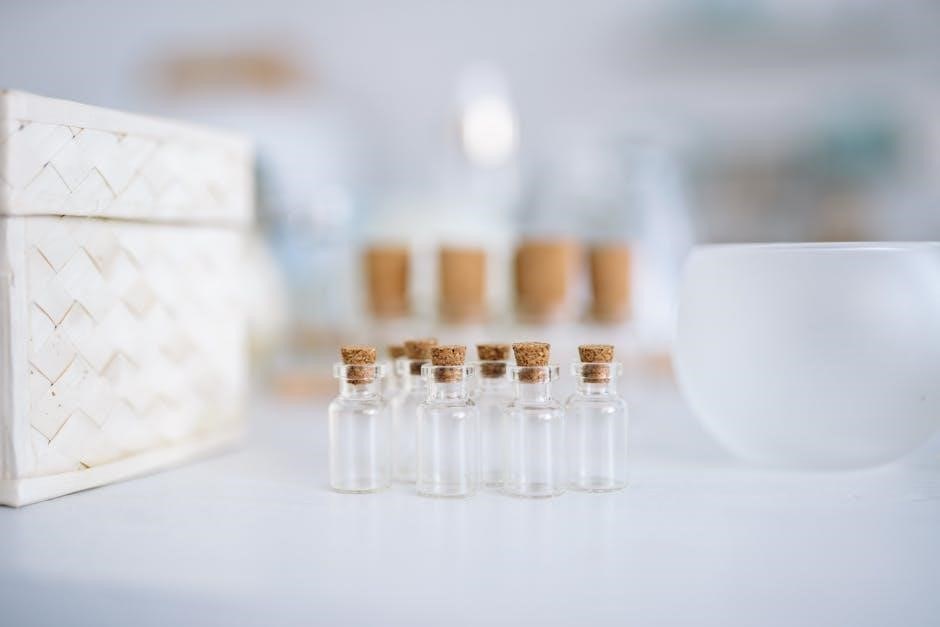
Rubber stoppers are commonly categorized by number (#0 to #9), each corresponding to a specific diameter․ These standardized sizes ensure compatibility across various labware and applications․
#0 Stopper Dimensions
The #0 stopper is among the smallest standard sizes available, frequently utilized for miniature bottles or specialized equipment․ Typically, a #0 stopper boasts a diameter of approximately 6mm (0․24 inches)․
The hole diameter, designed to accommodate the flask or bottle neck, generally measures around 4mm to 5mm․ Stopper length or thickness usually falls between 15mm and 20mm (0․6 to 0․8 inches)․ It’s crucial to remember these are approximate values, and slight variations can occur between manufacturers․
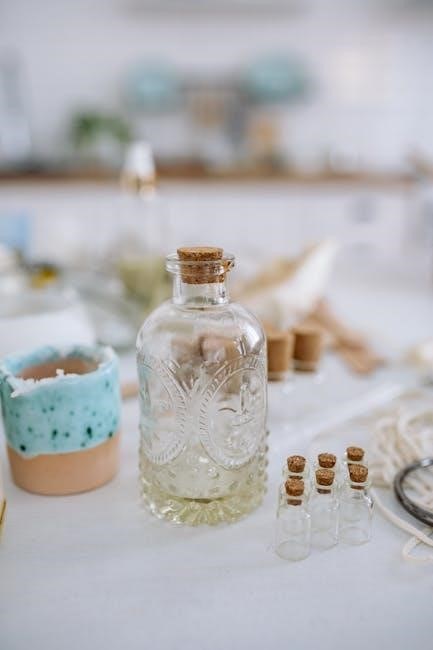
These stoppers are often employed in applications requiring small volumes or precise sealing․ While Twitch streaming doesn’t relate, precision is key in both fields! Always verify dimensions with the supplier’s specifications before purchase to guarantee a proper fit․
#1 Stopper Dimensions
The #1 rubber stopper represents a step up in size from the #0, commonly used for small laboratory glassware․ Generally, a #1 stopper has an overall diameter of roughly 8mm (0․31 inches), providing a secure fit for corresponding bottle necks․
The internal hole diameter, crucial for a tight seal, typically ranges from 6mm to 7mm․ Length or thickness usually measures between 20mm and 25mm (0․8 to 1 inch)․ As with all stoppers, slight manufacturing variances are possible․
These are frequently found in applications needing a slightly larger seal than #0 stoppers offer․ Though unrelated, Twitch’s platform relies on stable connections, much like a secure stopper! Confirm exact dimensions with the manufacturer’s data sheet for optimal results․
#2 Stopper Dimensions
The #2 rubber stopper is a frequently utilized size, bridging the gap between smaller and larger options․ Typically, a #2 stopper boasts an overall diameter of approximately 11mm (0․43 inches), designed for a snug fit in compatible flasks and bottles․
The internal hole diameter generally falls between 8mm and 9mm, ensuring a reliable seal․ Its length or thickness commonly measures around 22mm to 28mm (0․87 to 1․1 inches)․ Minor variations can occur during manufacturing․
Like Twitch’s streaming platform needing stable connections, a proper stopper seal is vital․ Always verify specific dimensions with the manufacturer’s specifications to guarantee compatibility and prevent leaks in your application․
#3 Stopper Dimensions
The #3 rubber stopper represents a step up in size, commonly employed for slightly larger laboratory glassware․ Generally, a #3 stopper measures around 14mm (0․55 inches) in overall diameter, providing a secure closure for various containers․
The internal hole diameter typically ranges from 10mm to 11mm, creating a tight seal․ Its length or thickness usually falls between 25mm and 30mm (approximately 1 to 1․2 inches)․ As with all stoppers, slight manufacturing variances are possible․
Similar to ensuring a smooth Twitch stream, precise dimensions are crucial․ Always consult the manufacturer’s data sheet for exact specifications to confirm compatibility and prevent potential leakage during experiments or storage․
#4 Stopper Dimensions
The #4 rubber stopper is a frequently used size, bridging the gap between smaller and larger flask openings․ Typically, a #4 stopper boasts an overall diameter of approximately 16mm (0․63 inches), offering a robust seal for a wide range of laboratory applications․
The internal hole diameter generally falls between 12mm and 13mm, ensuring a snug fit․ Its length or thickness commonly measures between 25mm and 30mm (roughly 1 to 1․2 inches)․ Minor variations can occur due to manufacturing tolerances․
Much like optimizing a Twitch viewing experience, accurate sizing is paramount․ Always verify the manufacturer’s specifications for precise measurements to guarantee compatibility and prevent unwanted leaks or spills․
#5 Stopper Dimensions
The #5 rubber stopper represents a step up in size, commonly employed for flasks with slightly larger openings․ Generally, a #5 stopper measures around 18mm (0․71 inches) in overall diameter, providing a secure closure for various laboratory needs․
The internal hole diameter typically ranges from 14mm to 15mm, designed for a tight, leak-proof fit․ Its length or thickness usually falls between 25mm and 30mm (approximately 1 to 1․2 inches), though slight variations are possible․
Similar to finding the optimal Twitch stream quality, precise dimensions are crucial․ Always consult the manufacturer’s data sheet for exact specifications to ensure compatibility and prevent issues․
#6 Stopper Dimensions
The #6 rubber stopper is a frequently used size, offering a balance between a secure fit and versatility for various lab equipment․ Typically, a #6 stopper boasts an overall diameter of approximately 20mm (0․79 inches), making it suitable for medium-sized flasks and bottles․
The internal hole diameter generally falls within the 16mm to 17mm range, ensuring a tight seal․ Its length or thickness commonly measures between 25mm and 30mm (roughly 1 to 1․2 inches), though minor variations can occur․
Just like optimizing your Twitch viewing experience, accurate measurements are key․ Referencing manufacturer specifications guarantees compatibility and prevents leakage․
#7 Stopper Dimensions
The #7 rubber stopper represents a larger size, commonly employed for wider-mouth laboratory glassware․ Expect an overall diameter around 23mm (0․91 inches), providing a robust seal for larger flasks and bottles․ This size is often preferred when dealing with increased volumes or more vigorous mixing․
The internal hole diameter typically ranges from 19mm to 20mm, accommodating thicker spouts․ Length or thickness usually falls between 28mm and 33mm (approximately 1․1 to 1․3 inches)․
Similar to finding the right Twitch stream, precision is vital․ Always consult the manufacturer’s data sheet for exact dimensions to ensure a proper fit․
#8 Stopper Dimensions
The #8 rubber stopper is a substantial size, frequently used for larger laboratory equipment requiring a secure and reliable closure․ Typically, the overall diameter measures approximately 25mm (0․98 inches), offering a strong seal for bigger flasks and bottles․ This size is ideal for applications involving substantial liquid volumes or potential pressure build-up․
The internal hole diameter generally falls between 21mm and 22mm, accommodating wider openings․ Stopper length or thickness usually ranges from 30mm to 35mm (roughly 1․2 to 1․4 inches)․
Like selecting a preferred channel on Twitch, accuracy is key․ Refer to the manufacturer’s specifications for precise measurements․
#9 Stopper Dimensions
The #9 rubber stopper represents one of the larger standard sizes, commonly employed for substantial laboratory glassware and industrial containers․ Its overall diameter typically measures around 28mm (approximately 1․10 inches), providing a robust seal for larger volumes and demanding applications․ This size is frequently chosen when a very secure closure is paramount․
The internal hole diameter generally ranges from 24mm to 25mm, designed to fit correspondingly sized openings․ Stopper length or thickness usually falls between 32mm and 38mm (roughly 1․26 to 1․5 inches)․
Similar to finding the right stream on Twitch, precise measurements are crucial for a proper fit․
Measuring for the Right Size
Accurate measurements of both the container opening and the stopper are vital for a secure fit, much like selecting the correct channel on Twitch․
Measuring the Bottle/Flask Opening
Precisely determining the inner diameter of the bottle or flask opening is the foundational step in selecting the correct rubber stopper․ Utilize a ruler or, preferably, a caliper for the most accurate reading; Measure across the opening at its widest point, ensuring the measuring tool is held level․
Record this measurement in millimeters or inches, depending on the stopper sizing system you are using․ Remember that slight variations in manufacturing can occur, so it’s wise to account for a small degree of tolerance․ Consider the shape of the opening; if it’s not perfectly circular, take multiple measurements and use the average․ This careful approach, similar to fine-tuning settings on a platform like Twitch, ensures a proper seal․
Using a Caliper for Accuracy
For the most precise measurement of your bottle or flask opening, a caliper is invaluable․ Digital calipers offer easy-to-read displays, while dial or vernier calipers require a bit more practice․ Ensure the caliper jaws are clean and free of debris before taking a reading․
Carefully position the jaws inside the opening, applying gentle pressure to secure a firm, but not forceful, contact․ Record the measurement in millimeters, as this is the standard unit for stopper sizing․ Repeat the measurement several times at different points within the opening to account for any slight irregularities․ This meticulous approach, akin to optimizing settings on a platform like Twitch, guarantees a reliable result․
Accounting for Tolerance
Rubber stoppers aren’t manufactured to absolutely perfect dimensions; a degree of tolerance exists․ This means the stated size may vary slightly – typically within a few tenths of a millimeter․ Ignoring this can lead to a stopper that’s either too tight or too loose;
When selecting a stopper, consider the material; some expand or contract more than others with temperature changes․ Just as a Twitch streamer adjusts settings for optimal broadcast quality, you must account for these variables․ Always check the manufacturer’s specifications for tolerance information․ A slightly oversized stopper can sometimes be gently worked into place, but a significantly undersized one is unusable․
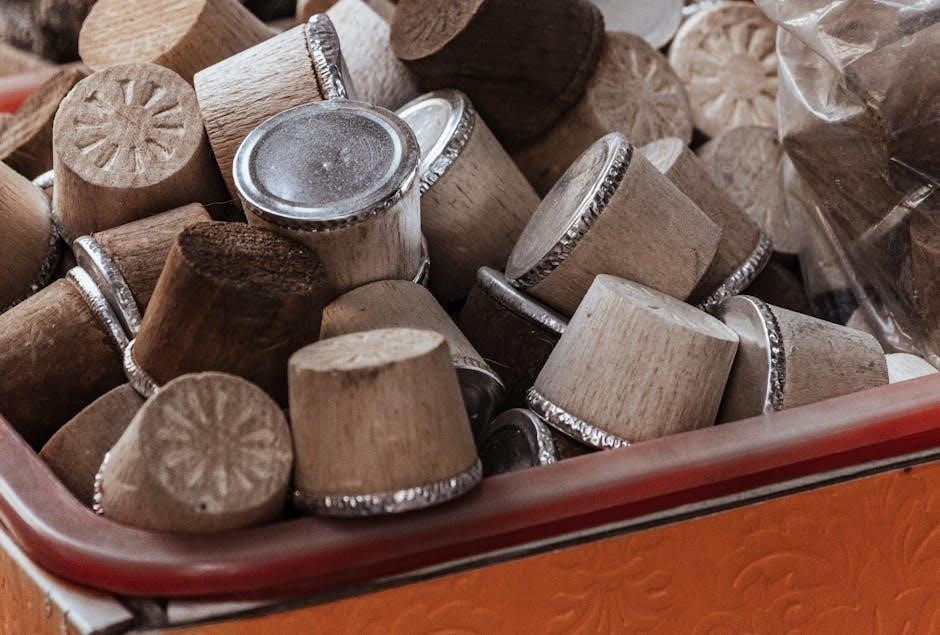
Types of Rubber Stoppers & Sizing Considerations
Different stopper types – solid, drilled, or with tubing holes – necessitate specific sizing approaches for a proper fit, much like choosing the right Twitch channel․
Solid Rubber Stoppers
Solid rubber stoppers are the most basic type, offering a completely sealed closure․ Sizing for these is particularly critical, as they rely entirely on a tight interference fit to prevent leaks․ Accurate measurement of both the container’s outer diameter and the stopper’s diameter is paramount․
Consider the material – natural rubber offers excellent sealing but can degrade over time, while synthetic options like silicone or neoprene provide greater chemical resistance and temperature stability․ When selecting a solid stopper, always account for slight variations in manufacturing tolerance․ A slightly oversized stopper might require lubrication for insertion, while one that’s too small will fail to create a secure seal․ Much like finding the perfect stream on Twitch, precision is key!
Drilled Rubber Stoppers
Drilled rubber stoppers introduce an additional sizing consideration: the hole diameter․ These stoppers are designed to accommodate tubing, thermometers, or other instruments․ Ensuring the hole size precisely matches the item being inserted is vital for a secure and leak-proof connection․
Beyond the main stopper diameter, carefully measure the outer diameter of the intended insert․ A snug fit is desired, but avoid forcing it, which could damage the stopper or the instrument․ Like navigating the diverse content on Twitch, finding the right hole size requires attention to detail․ Material choice also impacts sizing, as some rubbers expand or contract with temperature changes․ Always verify compatibility and account for potential tolerances․
Rubber Stoppers with Holes for Tubing
Rubber stoppers pre-drilled with holes for tubing offer convenience, but demand careful sizing of both the stopper itself and the tubing․ The hole diameter must accommodate the outer diameter of the tubing, allowing a firm, yet easily inserted, connection․
Too small a hole risks damaging the tubing or the stopper during insertion, while too large a hole compromises the seal․ Similar to selecting the right stream on Twitch, precision is key․ Consider the tubing material – some may be more rigid than others․ Account for slight variations in tubing diameter and stopper hole size, ensuring a secure, leak-proof system․ Proper sizing prevents unwanted fluid loss or contamination․

Materials and Their Impact on Size
Rubber composition affects stopper dimensions; natural rubber exhibits more variability than synthetics like silicone or neoprene․ Like Twitch’s diverse streams, material impacts performance and fit․
Natural Rubber
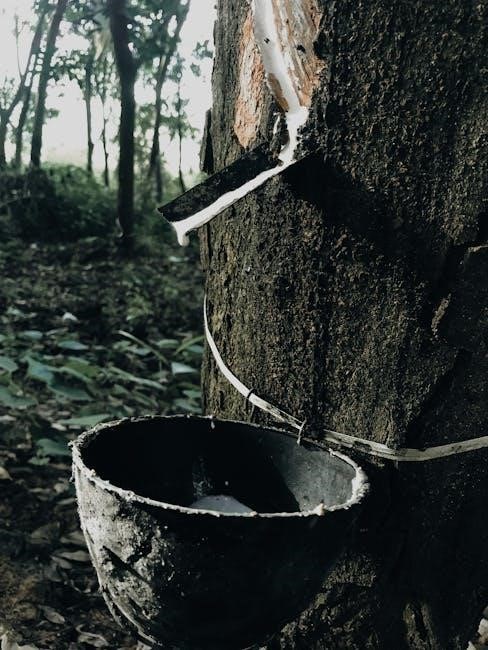
Derived from the latex of rubber trees, natural rubber stoppers offer excellent elasticity and resilience, making them suitable for a wide range of applications․ However, they are more susceptible to degradation from oils, solvents, and UV exposure compared to synthetic alternatives․ This means natural rubber stoppers may exhibit greater dimensional changes over time, potentially impacting the seal․
Consequently, when selecting natural rubber stoppers, it’s crucial to consider the intended application and potential exposure to harsh chemicals; A slightly looser fit might be preferable to avoid excessive force during insertion, which could lead to tearing or deformation․ Like choosing the right Twitch stream, careful consideration of the environment is key․ Natural rubber’s inherent properties necessitate a more cautious approach to sizing and compatibility․
Synthetic Rubber (e․g․, Silicone, Neoprene)
Synthetic rubbers, such as silicone and neoprene, provide enhanced resistance to chemicals, temperature extremes, and UV light compared to natural rubber․ Silicone stoppers excel in high-temperature applications and offer excellent flexibility, while neoprene demonstrates superior resistance to oils and solvents․ These properties translate to greater dimensional stability, meaning less change in size over time․
Therefore, synthetic rubber stoppers often allow for a more precise fit, as their resistance to environmental factors minimizes swelling or shrinking․ Similar to selecting a reliable Twitch channel, choosing the right synthetic rubber ensures consistent performance․ However, they may be less elastic than natural rubber, requiring careful consideration of insertion force during selection․
Where to Buy Rubber Stoppers & Size Charts
Reliable sources like online retailers and scientific supply companies offer diverse rubber stoppers with detailed size charts for accurate selection, much like Twitch’s content variety․
Online Retailers
Numerous online retailers specialize in laboratory supplies, offering a vast selection of rubber stoppers in various sizes and materials․ Platforms like Amazon, eBay, and specialized scientific equipment suppliers frequently stock these essential components․ When purchasing online, carefully review product descriptions and specifications to ensure compatibility with your intended application․
Crucially, prioritize retailers that provide detailed size charts, often including stopper diameter, hole diameter (if applicable), and length/thickness measurements․ Comparing these dimensions to your flask or bottle opening is paramount․ User reviews can also offer valuable insights into the accuracy of sizing and the quality of the rubber․ Remember, similar to navigating content on a platform like Twitch, thorough research is key to a successful purchase․
Scientific Supply Companies
Dedicated scientific supply companies represent a reliable source for rubber stoppers, often providing superior product information and customer support compared to general retailers․ Companies like Fisher Scientific, VWR, and Cole-Parmer specialize in laboratory equipment and consumables, ensuring quality and accuracy․
These suppliers typically feature comprehensive online catalogs with detailed specifications, including precise stopper dimensions and material compositions․ Many offer downloadable size charts and technical data sheets․ Similar to finding specific streams on Twitch, utilizing their search filters and product categories streamlines the selection process․ Furthermore, their technical support teams can assist with choosing the correct size and material for your specific needs, guaranteeing a proper fit and seal․
Checking Manufacturer Size Charts
Always prioritize consulting the manufacturer’s specific size charts when selecting rubber stoppers․ Variations can exist between brands, even for seemingly identical numbered stoppers․ These charts provide the most accurate dimensions, including diameter, length, and hole size, ensuring compatibility with your glassware․
Similar to navigating the diverse content on Twitch, detailed charts help pinpoint the exact product you need․ Manufacturers often publish these charts on their websites as PDFs or interactive tools․ Pay close attention to tolerances – the acceptable range of variation – as these can impact the fit․ Confirming these details prevents issues like stoppers being too tight or loose, guaranteeing a secure seal for your application․
Troubleshooting Sizing Issues
If a stopper is too tight, lubrication may help; if too loose, consider a slightly larger size or wrapping with PTFE tape for a secure fit․
Stopper Too Tight
Encountering a rubber stopper that’s excessively tight can present challenges during removal, potentially leading to breakage of the stopper or the glassware it’s sealing․ Initially, avoid forceful extraction, as this increases the risk of damage․ A lubricant, such as silicone grease or even a small amount of water, can be carefully applied around the stopper’s perimeter to reduce friction․
Gentle twisting and pulling motions, combined with the lubricant, should facilitate removal․ If the stopper remains stubbornly stuck, warming the flask (avoiding direct flame) can cause slight expansion, easing the process․ Patience is key; repeated, gentle attempts are preferable to brute force․ Remember to inspect both the stopper and the flask opening for any damage after removal․
Stopper Too Loose
A loose rubber stopper compromises the seal, potentially leading to leaks or contamination – critical concerns in laboratory or industrial settings․ If a stopper feels loose, do not simply attempt to force it in further, as this won’t resolve the underlying size mismatch․ Consider using PTFE tape (Teflon tape) wrapped around the stopper’s circumference to increase its diameter and create a tighter fit․
Alternatively, a slightly larger stopper is the ideal solution․ If a suitable replacement isn’t immediately available, a temporary fix might involve wrapping the stopper with a thin layer of parafilm․ However, this is not a long-term solution․ Always prioritize obtaining the correctly sized stopper for reliable sealing․

Safety Considerations When Using Rubber Stoppers
When utilizing rubber stoppers, prioritize safety to prevent accidents and ensure experimental integrity․ Always wear appropriate personal protective equipment (PPE), including safety glasses and gloves, especially when inserting or removing stoppers, as glassware can be fragile․ Avoid excessive force, which could cause the stopper or glassware to break, potentially leading to cuts or chemical exposure․
Be mindful of the contents being sealed; certain chemicals may degrade the rubber over time, compromising the seal and potentially releasing hazardous fumes․ Regularly inspect stoppers for signs of wear, cracking, or swelling․ Never use a damaged stopper․ Proper disposal of used stoppers, following laboratory guidelines, is also crucial․