wing t offense playbook pdf
Overview of the Wing-T Offense Playbook PDF
The Wing‑T Offense Playbook PDF offers a comprehensive guide to the classic running scheme, detailing formations, blocking concepts, and hybrid quarterback roles. Available in .pdf, .ppt, and .txt, it includes play diagrams, terminology, and coaching notes for teams seeking a versatile, low‑tempo attack!!!
Historical Development and Popularity
The Wing‑T offense, conceived in the 1940s by coach Steve Owen, evolved from the single‑back T‑formation, emphasizing misdirection and balanced line play. Its early adoption by the New York Giants in the 1950s showcased the scheme’s ability to neutralize aggressive defenses, leading to multiple championship appearances. Over the decades, collegiate programs such as the University of Arkansas, Texas A&M, and the University of Alabama integrated the Wing‑T into their playbooks, adapting it to modern athleticism. The 1970s and 1980s saw the emergence of the “Double Wing” variant, popularized by coaches like Lou Holtz and Jim Donnan, which added a second wingback to increase power running and create additional blocking angles. In the 1990s, the scheme experienced a renaissance at the high‑school level, as its emphasis on fundamentals and player versatility appealed to programs with limited athletic depth. Today, the Wing‑T remains a staple in both high‑school and college playbooks, often combined with hybrid quarterback concepts to diversify offensive options. Its enduring popularity is rooted in its simplicity, efficiency, and the ability to exploit defensive overcommitment. Its influence can be traced to modern spread concepts, where the Wing‑T’s misdirection principles are adapted to create space for both the run and the pass. Consequently, coaches at all levels cite the Wing‑T as a system that teaches footwork, timing, and defensive reading now every.
Downloading and Accessing Playbooks

Download the Wing‑T playbook via official university sites, coaching forums, or licensed distributors. Files come in PDF, PPT, or TXT formats, ensuring compatibility with most devices. Use secure links, verify authenticity, and keep backups. Many sites offer previews before purchase, aiding informed decisions!!.!
Official Sources and File Formats
Official sources for the Wing‑T playbook include accredited collegiate athletic departments, reputable coaching associations, and licensed digital marketplaces. The most common file formats are PDF, which preserves layout and diagrams; PPT, which allows slide‑by‑slide editing; and TXT, which offers plain‑text play descriptions for quick reference. When accessing a playbook, verify the publisher’s credentials—most legitimate releases are hosted on university domains (e.g., .edu) or through recognized coaching platforms such as the National Football Coaches Association. Some institutions provide free PDF downloads for high‑school coaches, while others require a nominal fee for premium content, including video tutorials and supplemental drills; Always check for the latest version; outdated playbooks may contain obsolete terminology or blocking schemes no longer in use. For mobile compatibility, PDF files can be opened with most e‑reader apps, whereas PPT files may need PowerPoint or compatible viewers like Google Slides. If you prefer a lightweight option, the TXT format is ideal for quick scans or for embedding into coaching software. Many playbooks are now available as interactive PDFs, featuring hyperlinks to video clips, schematic overlays, and downloadable practice plans;
In addition, many coaching networks offer encrypted ZIP archives containing all assets—PDFs, videos, and drill sheets—protected by a password supplied upon purchase, ensuring exclusivity. For offline access, the PDF can be printed in full‑color or black‑and‑white, using high‑resolution settings to preserve schematic clarity. The versatility of file formats lets teams tailor the playbook to their workflow, whether through digital annotation, printed handouts, or integrated coaching software. Always respect copyright laws; unauthorized distribution is prohibited and may result in legal action. Keep backups now.
Key Terminology and Positions
The Wing‑T playbook defines key positions: the quarterback (QB) directs the hybrid run, the fullback (FB) anchors the power block, the wingback (WB) slides into motion, and the tight end (TE) provides interior blocking. Terminology such as “trailer,” “bend,” and “motion” clarifies play execution. for all.!
Position Naming Conventions and Roles
In the Wing‑T playbook, positions are labeled concisely to reflect function and placement. The quarterback (QB) calls plays, reads defense, and delivers handoffs or short passes. The fullback (FB) lines up behind the QB, serving as the primary power runner and blocker. The wingback (WB) sits just outside the tight end (TE) on the line of scrimmage, ready to slide into motion or receive a handoff. The tight end (TE) anchors the interior line, blocking the defensive tackle or guard. The offensive guard (OG) and tackle (OT) provide the base for the blocking scheme, while the center (C) snaps the ball and calls the blocking assignments. Each position’s name—QB, FB, WB, TE, SE/WR, OG, OT, C—encapsulates its primary responsibility: passing, rushing, blocking, or motion.
- QB – Calls plays, reads defense, delivers handoffs or short passes.
- FB – Power runner, blocks for QB, creates lanes for WB.
- WB – Slides into motion, receives handoffs, runs cutback routes.
- TE – Blocks interior defenders, can serve as short‑area receiver.
- SE/WR – Lines up on the line or in motion, creating space for the WB.
- OG – Locks up tackles, creates interior gaps.
- OT – Protects edge, supports line against ends.
- C – Snaps ball, calls blocking schemes, anchors line.
Coaches use these labels in play diagrams, allowing players to quickly identify assignments during the huddle and on the line. The naming convention aids film study, as each position’s responsibilities are clearly marked, making it easier to analyze blocking angles, motion patterns, and defensive reactions. This clarity speeds up in‑game adjustments and now!.

Fundamental Play Types
The Wing‑T playbook features three core play types: the Tractor, which uses a power run with the fullback and wingback; the Bend, a misdirection play that lures defenders before the ball carrier cuts; and the Motion, where the wingback shifts to create space for a quick handoff or pass. Timing discipline key now
Tractor, Bend, and Motion Plays
The Wing‑T playbook’s core concepts revolve around three foundational plays: the Tractor, the Bend, and the Motion. The Tractor is a power‑running scheme that relies on a fullback lead block, a wingback in motion, and a tight‑end pulling block to create a lane for the ball carrier. It emphasizes disciplined blocking angles, precise timing, and the quarterback’s ability to read the defensive front before handing the ball to the running back. plus!!
The Bend play is a misdirection sequence that uses a lateral shift of the wingback to lure the defense toward one side, then cuts the ball to the opposite side. This play exploits over‑commitment by defenders and requires the offensive line to execute a coordinated pull on the opposite side, creating a gap for the runner. The playbook includes detailed diagrams that illustrate the blocking scheme, the runner’s path, and the defensive reaction to maximize the Bend’s effectiveness.
The Motion play is designed to create space and confusion by moving the wingback or tight end before the snap. The motion forces the defense to adjust their alignment, opening gaps for the ball carrier. The playbook provides step‑by‑step instructions on how to coordinate the motion, the snap count, and the quarterback’s decision‑making process. By mastering these three plays, teams can build a versatile, low‑tempo offense that can adapt to various defensive fronts and maintain a balanced attack.
These plays form the core of the Wing‑T strategy, letting coaches tailor game!!!
Quarterback Involvement
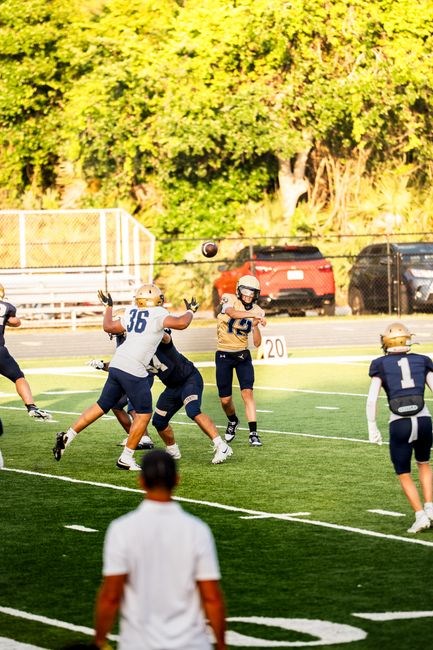
The Wing‑T playbook defines the quarterback as a hybrid leader, responsible for reading defenses, making quick handoffs, and occasionally executing short passes. The QB must understand blocking schemes, call audibles, and maintain timing for the Tractor, Bend, and Motion plays.!!
Hybrid QB Responsibilities and Decision‑Making

The hybrid quarterback in a Wing‑T offense must blend traditional pocket‑passing skills with the agility of a running back. At the snap, the QB first reads the defensive front: a 4‑man line often signals a potential gap‑control shift. If the defense shows a 3‑man front, the QB will typically hand the ball to the fullback for a Tractor run, maintaining the low‑tempo rhythm. When a 4‑man front appears, the QB may opt for a Bend play, keeping the ball and executing a quick pass to a slot receiver or a short lateral to a running back. The decision hinges on the defensive alignment, the presence of a safety in the box, and the offensive line’s blocking stance. The quarterback must also be prepared to improvise: a blown block can trigger a quick scramble or a play‑action pass to exploit over‑aggressive defenders. Throughout the play, the QB’s eye is on the defensive backs’ positioning; a deep safety can force a short, high‑percentage pass, while a shallow safety allows for a longer route. The hybrid QB’s ability to shift between handing off, passing, and running on the fly is what keeps the defense guessing and preserves the offense’s tempo advantage. Coaches emphasize that the hybrid QB must also master audibles, maintain composure under pressure, and coordinate with the offensive line to adjust blocking schemes. Synergy!!!!! This hybrid approach demands rigorous film study, precise timing, and relentless practice to master the subtle nuances of blocking angles and defensive reads. Teams that execute this system control the clock!!!!!
Training and Practice Drills
Drills focus on timing, blocking, and QB decision‑making. Start with the “Tractor” handoff drill, then move to the “Bend” pass‑run combo. Incorporate motion drills to teach receivers route adjustments. Finish with simulated defensive fronts to sharpen audibles and read‑and‑react skills. Practice daily. Now
Drill Sequences for Running Backs and Receivers
The Wing‑T drill sequence begins with a “Tractor” handoff drill, where the running back (RB) practices a quick, controlled exchange from the center, ensuring a smooth transition that sets the stage for the subsequent motion. Next, the “Bend” drill focuses on the RB’s ability to read the defensive line, using a quick lateral step to create space before the ball is snapped. The drill emphasizes footwork, maintaining a low pad level, and executing a “bend” to the outside, which forces the defensive line to shift and opens a lane for the back to exploit. The “Motion” drill integrates receivers and tight ends, teaching them to create separation through precise route running while the RB maintains a blocking stance. Receivers practice a quick “shallow” route, then a “deep” cut, timing their steps to sync with the back’s motion. This drill builds chemistry and ensures the back can read coverage while receivers create misdirection. Finally, the “Read‑and‑React” drill combines all previous elements. The RB starts in a motion stance, the receivers run their routes, and the quarterback calls audibles based on defensive alignment. Coaches use this drill to reinforce timing, decision‑making, and the ability to adjust blocking angles on the fly, ensuring the offense remains unpredictable. Coaches also emphasize the importance of communication between the back and the receivers during the drill, ensuring that every player is aware of the others’ positioning and timing. This integrated approach ensures the back can adjust blocking angles while receivers create misdirection. Practice consistently. And maintain focus. Use video review to analyze technique. Adjust drills based on player feedback. Keep drills short and intense to build muscle memory. Celebrate small wins to boost confidence. Keep the pace brisk to simulate game speed. Ensure all players are comfortable with the playbook’s terminology. Use a whiteboard to diagram plays for visual reinforcement. Incorporate agility ladders to improve footwork. Use resistance bands to enhance blocking strength. Practice under fatigue to build endurance. Use a countdown to simulate pressure situations. Encourage players to self‑evaluate after each drill. Use a feedback loop to refine techniques.
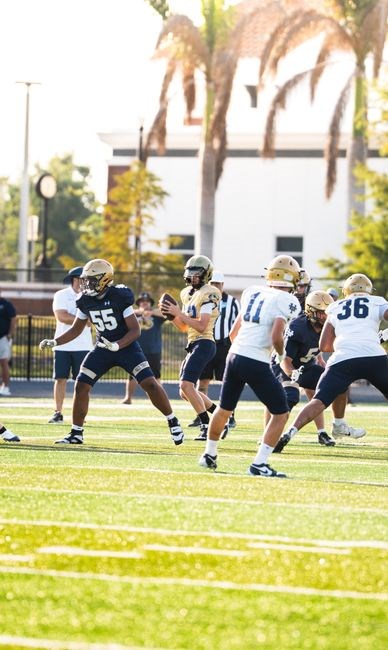
Variations and Modern Adaptations
The Wing‑T playbook now features Double‑Wing setups, hybrid QB roles, and spread‑block concepts. Coaches blend traditional motion with modern pass‑rush schemes, adding quick‑release routes and zone‑blocking. This keeps defenses guessing while preserving the core low‑tempo attack. Adapted for modern!!!!
Double Wing, Hybrid Integration, and Contemporary Usage
The Double‑Wing variant expands the traditional Wing‑T by adding an extra wingback and a second tight end, creating a 3‑back alignment that can disguise inside runs and quick passes. Hybrid integration allows the quarterback to line up as a fullback or a shotgun, using the same playbook for both rushing and passing concepts. Contemporary usage sees coaches blending the Wing‑T with modern spread principles, incorporating zone‑blocking schemes, vertical passing routes, and play‑action passes that exploit over‑aggressive defenses. By integrating these elements, teams preserve the low‑tempo, misdirection core of the Wing‑T while adding versatility for the 21st‑century game. The PDF playbook includes detailed diagrams, blocking charts, and play‑calling guidelines that demonstrate how to transition between the classic and hybrid forms. Coaches can adjust the playbook to fit personnel, using the double‑wing to create mismatches against linebackers and defensive backs, while the hybrid QB can read the defense and decide whether to hand off, keep, or pass. Modern adaptations also feature pre‑set motion, quick‑release timing, and the use of the wingback as a receiver in short‑to‑mid‑range routes. This approach keeps defenses off balance, allowing the offense to control the clock and dictate the pace. The playbook’s step‑by‑step instructions and video links provide a practical framework for implementing these strategies in practice and game situations. The playbook offers optional play‑calling variations that can be swapped mid‑game to counter blitz packages, ensuring the offense remains unpredictable. By mastering both the double‑wing and hybrid QB concepts, teams can create a balanced attack that thrives in collegiate settings. This synergy enhances tempo control and defensive confusion!!!!!